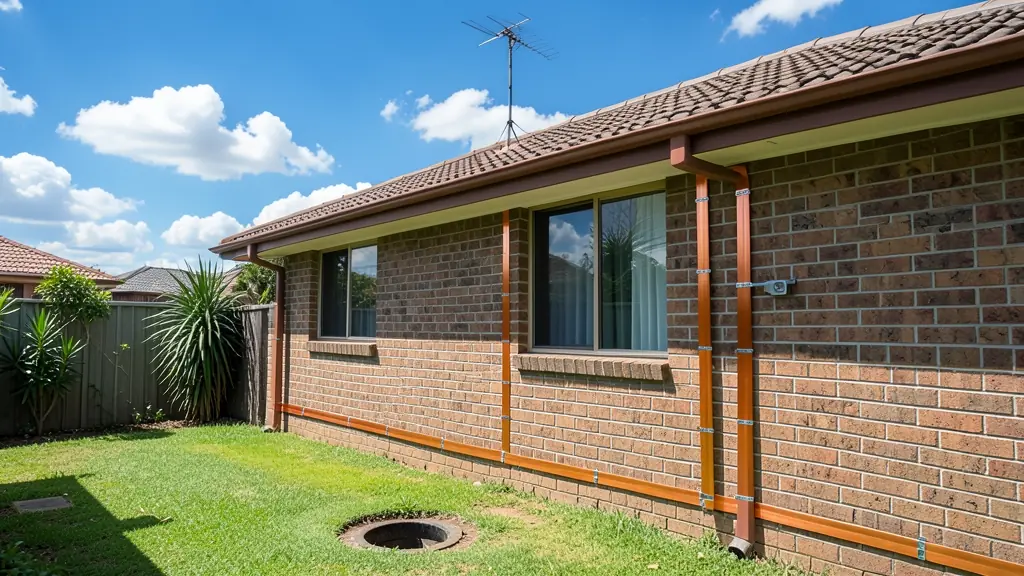
A lightning conductor only works if every part is designed, fixed and joined properly, from the rod on the roof to the electrode in the ground. Lightning conductor installation covers the site visit, the design, the materials, the fixing of air terminals and down conductors, the earthing, the testing and the certificate at the end. This page explains what a good installer does at each step, what a quote should include and what affects the price. Send one request and independent installers in your area quote you directly.
What the installer does, step by step
- Site visit: the installer measures the building, looks at the roof covering, the height, nearby trees and the soil, and asks about thatch, solar panels and services.
- Design: on a house this is usually a layout to SANS 10313 and SANS 62305; bigger or higher-risk sites start with a lightning risk assessment.
- Air terminals: rods, a roof mesh or free-standing masts for thatch.
- Down conductors: at least two, on short, straight routes down the outside walls.
- Earthing: spikes or a ring conductor, bonded to the electrical earth (see earthing installation).
- Testing and certificate: continuity and earth resistance readings, then a written certificate.
What a quote should cover
A useful quote lists the number and height of rods or masts, the metres of conductor and what it is made of (copper tape, round aluminium or another material), the number of down conductors and test clamps, the number and length of earth electrodes, and whether earth enhancing compound is included. It should say who does the bonding to the DB board and the surge protection, because that work needs a registered electrician and a CoC. Check that testing and the certificate are in the price, and whether scaffolding, a cherry picker or a crane is extra.
What affects the price
Height and roof shape matter most: a single storey tiled house is quicker than a double storey with a steep roof or a flat concrete roof with parapets. Thatch usually needs masts and concrete footings. Rocky or very dry ground can mean more electrodes or deeper rods. Material choice changes the price, and in areas with copper theft many owners choose aluminium or lockable test boxes. Travel to farms and lodges is often charged separately. When you compare quotes, compare the layouts as well as the totals: a cheap quote with one down conductor and a single short rod is not the same system as one with four conductors and a tested earth.
Safety and workmanship
Roof work is work at height, so ask how the team will work safely and whether they carry insurance. No one should work on a system while a storm is building. Good workmanship shows in neat clip spacing, few joints, bimetal connectors where copper meets aluminium and nothing fixed to thatch. Ask whether the installer is accredited through ELPA and whether the system gets a certificate your insurer will accept.
What to put in your request
- Building length, width and height, and number of storeys
- Roof covering: tile, sheeting, concrete or thatch
- Any solar panels, aerials or masts on the roof
- Soil type if you know it: rock, clay or sand
- Whether your insurer asked for a certificate
Lightning Protection Installation for homes, thatch, estates, farms and industry
- Homeowners: air rods on the ridge, two or more down conductors and earth spikes on a double storey house
- Thatched homes and lapas: free-standing masts set clear of the thatch on concrete footings, with buried earth conductors
- Estates and body corporates: a system installed on the clubhouse and guardhouse, with a certificate for the body corporate file
- Offices, schools, churches and clinics: a roof mesh and down conductors on a school hall or office block, tested and certified
- Mines, plants, tanks and towers: a designed system on a factory, with natural components bonded in and a full test report
- Farms and smallholdings: conductors on the farmhouse and sheds, with earthing bonded to the borehole pump supply
- Lodges, guest houses and venues: masts beside each thatched chalet and the main lapa, installed between bookings
- Solar PV owners and installers: air rods placed so the panels sit inside the protected zone, with frames bonded to earth
- Builders, engineers and electricians: a system installed to the engineer's drawings while the scaffolding is still up
Frequently asked questions
Do you install lightning conductors yourselves?
How long does an installation take?
Do I need a certificate after the installation?
Can my electrician install a lightning conductor?
Lightning Protection Installation by province and city
- Johannesburg
- Pretoria
- Centurion
- Midrand
- Sandton
- Randburg
- Roodepoort
- Krugersdorp
- Randfontein
- Germiston
- Boksburg
- Benoni
- Kempton Park
- Alberton
- Vanderbijlpark
- Vereeniging
- Durban
- Pinetown
- Pietermaritzburg
- Richards Bay
- Newcastle
- Ladysmith
- Gqeberha (Port Elizabeth)
- East London
- Kariega (Uitenhage)
- Mthatha
- Cape Town
- Bellville
- Paarl
- Stellenbosch
- George
- Worcester
- eMalahleni (Witbank)
- Middelburg
- Secunda
- Mbombela (Nelspruit)
- Rustenburg
- Brits
- Klerksdorp
- Potchefstroom
- Mahikeng
- Polokwane
- Tzaneen
- Kimberley
- Upington
- Bloemfontein
- Welkom
- Sasolburg