Understanding Lightning Protection and Building Codes
Overview of Lightning Protection Systems – What are lightning protection systems and their main components?
In the unpredictable ballet of nature, lightning dances with a ferocity that commands both awe and caution. A staggering 20 million lightning strikes illuminate the South African sky each year, a reminder of nature’s raw power. Understanding when is lightning protection required by code becomes not just a matter of compliance, but a safeguard for life and property. Lightning protection systems are intricate symphonies of engineering, designed to intercept and safely channel the storm’s fury away from vulnerable structures.
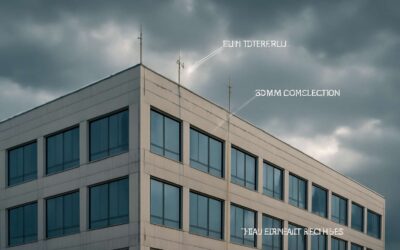
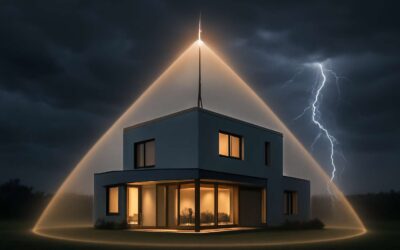
At the heart of these systems lie essential components that work in harmony: air terminals, conductors, and grounding electrodes. These elements form a protective network—an invisible shield—guiding the electrical energy harmlessly into the earth. The primary purpose of a lightning protection system is to prevent catastrophic fires, structural damage, and injury. Building codes specify precisely when such systems are mandated, especially for tall, complex, or high-value buildings. They serve as a critical line of defense, ensuring safety is woven into the very fabric of construction standards.
Importance of Adhering to Building Codes – Why building codes mandate lightning protection requirements
In the dance of storms that sweep across South Africa, lightning strikes are an awe-inspiring yet perilous spectacle. The question of when is lightning protection required by code is more than mere regulation—it’s a vital concern that intertwines safety, engineering, and foresight. Building codes serve as a guiding compass, delineating the thresholds where protection becomes not just advisable but mandated by law. These standards are crafted to shield both lives and structures from the devastating consequences of uncontrolled lightning strikes.
Adherence to these codes is essential because it ensures a uniform approach to safety, especially for towering skyscrapers, industrial complexes, and high-value properties. When structures surpass certain height, occupancy, or usage criteria, the risk of lightning damage escalates dramatically. Recognizing these parameters helps professionals determine precisely when is lightning protection required by code. It’s a safeguard rooted in scientific understanding and seasoned engineering, designed to turn chaos into controlled energy—channeling the storm’s fury safely into the earth.
Regulatory Bodies and Standards – Key organizations setting lightning protection standards (e.g., NFPA, UL, NEC)
Lightning protection isn’t just about installing a metal rod on a roof; it’s a meticulous process guided by strict standards set by renowned regulatory bodies. In South Africa, understanding when is lightning protection required by code is crucial for safety and compliance, especially given the frequency of thunderstorms that roll across the landscape. These organizations develop comprehensive standards to ensure structures can withstand nature’s fierce displays of power.
The National Fire Protection Association (NFPA), Underwriters Laboratories (UL), and the National Electrical Code (NEC) are some of the key organizations that set lightning protection standards worldwide. Their guidelines help engineers and building officials determine precisely when is lightning protection required by code. These standards are rooted in rigorous scientific research and engineering principles, ensuring every installation is both safe and effective.
In South Africa, adherence to these international standards often aligns with local building regulations. For instance, structures exceeding a certain height or with specific occupancy types are typically mandated to have lightning protection systems installed. The goal is clear: safeguard lives, protect property, and turn the unpredictability of lightning into a controlled, safe energy discharge. It’s a testament to how human ingenuity marries respect for nature’s fury with unwavering safety standards.
Legal Requirements for Lightning Protection by Code
National and Local Building Codes – How national codes influence lightning protection requirements
In the vast realm of safety regulations, understanding when is lightning protection required by code is vital for safeguarding both life and property. National building codes serve as an invisible shield, guiding architects and engineers through the labyrinth of safety standards. These codes are not arbitrary; they are crafted through meticulous research and expert consensus to ensure resilience against nature’s fiercest tempests.
Across South Africa, the national standards echo a universal truth—certain structures, due to their size, function, or location, demand comprehensive lightning protection systems. Regulatory bodies such as the South African Bureau of Standards (SABS) often incorporate international standards, making it clear that when a building reaches specific thresholds, lightning protection becomes a legal obligation. For instance, structures like tall commercial buildings, industrial facilities, and critical infrastructure are often required by law to have lightning protection installed.
To navigate the intricate web of legal requirements, one must consider the following factors—
- Building height and size
- Occupancy type and potential impact of lightning strikes
- Location in a high-risk lightning zone
This layered approach ensures that when is lightning protection required by code, it aligns with both safety imperatives and the legal landscape, especially in regions prone to frequent thunderstorms.
Specific Criteria for Requiring Lightning Protection – Conditions under which lightning protection is mandated
The question of when is lightning protection required by code is not merely academic; it is a matter of life, safety, and legal obligation. Regulatory frameworks prioritize structures that pose a heightened risk of lightning strikes due to their size, function, or location. In South Africa, national standards such as those outlined by the South African Bureau of Standards (SABS) specify clear criteria that trigger mandatory lightning protection installation.
Conditions under which lightning protection is mandated include structures exceeding certain height thresholds, or those classified as critical infrastructure—hospitals, power plants, or communication facilities. Additionally, buildings situated in high-risk lightning zones—areas with frequent thunderstorms—are subject to stricter requirements. To streamline compliance, many codes employ specific parameters, such as:
- Building height exceeding a set meter threshold
- Occupancy type that indicates a higher potential impact of lightning strikes
- Location within a designated high-risk zone
Understanding these specific criteria illuminates the nuanced layering of safety regulations, revealing that when is lightning protection required by code is dictated by a combination of technical and geographical factors. It is this meticulous approach that ensures the safety of lives and the resilience of structures against nature’s relentless fury.
Codes Referencing Lightning Protection – Examples from the International Building Code (IBC), NEC, and other standards
Lightning strikes cause billions in damages worldwide each year. Recognizing this threat, many building codes explicitly specify when is lightning protection required by code. These regulations are not arbitrary—they are based on extensive safety data and engineering standards. For example, the International Building Code (IBC) mandates lightning protection systems for structures exceeding a certain height or serving critical functions. Similarly, the National Electrical Code (NEC) provides detailed guidelines that specify the circumstances under which lightning protection must be installed.
Standards from organizations like the NFPA and UL form the backbone of these regulations. They outline that lightning protection is necessary not only for high-rise buildings but also for facilities in high-risk zones or with special occupancy types. An example from the NEC states that structures with an occupied roof exceeding 60 feet are typically required to have lightning protection. This layered approach ensures safety and compliance across diverse environments.
Factors Determining When Lightning Protection is Required
Building Height and Structure – Minimum height and design considerations for requiring protection
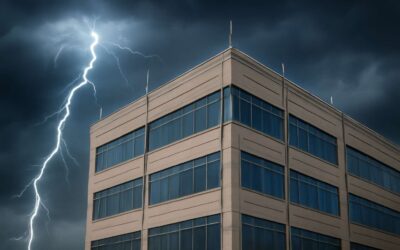
Lightning strikes are more than just a dramatic spectacle—they pose serious risks to structures and their occupants. The question of when is lightning protection required by code often hinges on the building’s height and structural complexity. Taller buildings inherently attract more lightning strikes, making them prime candidates for mandatory lightning protection systems. As a general rule, structures exceeding a specific height threshold—often around 15 meters or 50 feet—must incorporate lightning protection to meet safety standards. This is not merely a precaution but a legal requirement under South African building regulations, ensuring the safety of both people and property.
Design considerations extend beyond height alone. The building’s shape, location, and purpose influence the need for lightning protection. For example, facilities housing sensitive equipment or public spaces are more likely to be mandated for lightning protection regardless of height. To clarify, the code often stipulates that for structures with a certain minimum height or those situated in high-risk zones, lightning protection systems are not optional but an essential compliance measure. This ensures that every building is prepared to face nature’s electrifying force, aligning safety protocols with local and national standards.
Building Use and Occupancy – Commercial, industrial, residential, and specialized facilities
Lightning strikes are no longer just a fiery spectacle for the brave or foolish—they’re a real threat to property and safety. But the question remains: when is lightning protection required by code? It turns out, building use and occupancy play a pivotal role. For instance, commercial, industrial, and specialized facilities often face stricter mandates because they house sensitive equipment or large crowds. These structures tend to be prime targets for lightning strikes, making protection systems not just smart but legally mandated.
In South Africa, the building codes specify that certain types of facilities must incorporate lightning protection based on their function. Buildings with high occupancy levels, critical infrastructure, or those containing valuable or hazardous materials are more likely to trigger these requirements. Whether it’s a shopping mall, data center, or a hospital, understanding when is lightning protection required by code ensures compliance and safety. Sometimes, a simple checklist or regulatory criteria helps determine if your building falls into the lightning protection zone.
Location and Geographic Area – Regions prone to lightning activity and climate considerations
Lightning doesn’t discriminate, but some regions seem to have a penchant for turning the sky into a giant fireworks display—often at inconvenient times. In South Africa, where thunderstorms are as common as braais on a Sunday afternoon, understanding when is lightning protection required by code is crucial. The location and geographic area play a starring role in determining the necessity for these safeguards.
Regions prone to frequent lightning activity or with a climate that encourages electrical storms are more likely to trigger regulatory requirements. Coastal areas and high-altitude zones, in particular, face increased risks. Building codes often incorporate climate considerations, making it essential for property owners to assess their geographic vulnerability. For instance, a data center nestled in Johannesburg’s highveld or a sprawling industrial complex on the Cape coast might both require lightning protection systems—just because of where they’re located.
In essence, the higher the lightning activity in your area, the more likely it is that when is lightning protection required by code, your structure will need to be equipped accordingly. This isn’t just about avoiding legal headaches; it’s about safeguarding lives, property, and peace of mind—because a lightning strike on a sensitive piece of equipment or a crowded mall isn’t just a spark; it’s a potential catastrophe.
Size and Footprint of the Property – Large properties and facilities with extensive structures
When dealing with sprawling properties or industrial complexes, size truly matters—at least when it comes to lightning protection. Larger properties with extensive footprints often host numerous structures, making them prime candidates for lightning strikes. These sprawling sites—think warehouses, data centers, or manufacturing plants—are more exposed to the unpredictable dance of lightning bolts. The bigger the footprint, the higher the risk, and consequently, the more likely it is that when is lightning protection required by code.
Regulations recognize that expansive areas pose a unique challenge: a single strike can wreak havoc across multiple buildings and critical infrastructure. It’s not just about protecting a single building; it’s about safeguarding entire facilities from the chaos a lightning strike can unleash.
- Extensive roof areas
- Multiple structures within a complex
- Large open spaces prone to electrical surges
All these factors push the threshold for requiring lightning protection systems, ensuring that safety isn’t left to chance.
In essence, the larger and more complex your property, the more the code leans towards requiring comprehensive lightning protection. It’s a prudent safeguard—because a lightning bolt doesn’t discriminate, and neither should your risk management strategy. After all, when is lightning protection required by code? Usually, when your property’s size and footprint elevate the danger level to a point where protective measures become an absolute necessity. Safety isn’t just good practice; it’s often a legal mandate that keeps the lights on—literally and figuratively—in the face of nature’s fury.
Types of Buildings and Installations That Require Protection
Public and Government Buildings – Schools, hospitals, and emergency response facilities
Public and government buildings often serve as critical infrastructure, making them prime targets for lightning strikes. In South Africa, where thunderstorms are a common occurrence, understanding when is lightning protection required by code is essential for safeguarding these facilities. Schools, hospitals, and emergency response centers are not only vital for community well-being but also highly vulnerable to lightning damage. Given their importance, regulations mandate comprehensive lightning protection systems to prevent potential hazards and ensure continuous operation.
In many cases, the local building codes specify that facilities with a high occupancy or those housing sensitive equipment must have lightning protection in place. For example, hospitals and emergency response facilities are generally categorized as critical infrastructure, triggering mandatory protective measures. This approach aligns with standards set by organizations such as the NFPA and NEC, emphasizing the need for lightning protection in structures that, if compromised, could endanger lives or disrupt essential services.
Furthermore, the geographic area plays a significant role. Regions with higher lightning activity, particularly in South Africa’s lightning-prone zones, often see stricter requirements. When is lightning protection required by code? Typically, it applies to buildings that meet specific criteria related to their use, height, or location, ensuring that vital public and government buildings remain resilient against nature’s most powerful forces.
Commercial and Industrial Facilities – Factories, warehouses, and data centers
Factories, warehouses, and data centers are the backbone of South Africa’s industrial landscape. These commercial and industrial facilities often house sensitive equipment, expensive machinery, and vital operational data. When is lightning protection required by code? The answer hinges on the building’s use, height, and location—factors that determine the level of risk and the need for safeguarding against nature’s fury.
In lightning-prone regions, especially those with high thunderstorm activity, regulations typically mandate lightning protection systems for large-scale structures. For example, data centers—crucial for maintaining digital infrastructure—are classified as high-occupancy and high-value facilities, making them prime candidates for comprehensive lightning protection. Warehouses storing hazardous materials or heavy machinery also fall under these strict guidelines, as a lightning strike could trigger catastrophic incidents.
Understanding these requirements isn’t just about compliance; it’s about preventing disaster. The codes often specify that structures exceeding a certain height—often above 15 meters—or covering extensive footprints should have lightning protection systems installed. This ensures resilience and continuity, especially in South Africa’s lightning-active zones, where a strike can strike unpredictably but with devastating force.
Critical Infrastructure – Utilities, communication towers, and transportation hubs
In South Africa, where thunderstorms seem to have a personal vendetta, understanding when is lightning protection required by code can mean the difference between staying operational and suffering a catastrophic blackout. Critical infrastructure such as utilities, communication towers, and transportation hubs are prime targets for lightning strikes, making them essential candidates for lightning protection systems. These facilities, often serving millions or vital emergency functions, require safeguards that meet strict regulatory standards to keep the lights on and the data flowing.
Structures like communication towers and power substations aren’t just high-profile targets—they’re lifelines. Because these installations are often situated in regions with high lightning activity, local codes mandate comprehensive lightning protection to prevent outages and equipment damage. For example, any utility infrastructure exceeding a certain height or spanning large footprints must have lightning protection installed, ensuring resilience against South Africa’s unpredictable thunderstorms. It’s a matter of national security, after all!
- Communication towers: Vital for digital connectivity, and lightning strikes here can cause widespread blackouts.
- Transportation hubs: Airports, railway stations, and ports often cover extensive areas and are crucial for mobility—making lightning protection a non-negotiable.
- Public safety buildings: Hospitals, police stations, and emergency response centers need to stay online, come rain or lightning.
In essence, whenever a structure acts as a backbone for societal functions or critical services, when is lightning protection required by code is no longer a question of if, but when. South Africa’s lightning-prone climate demands proactive safety measures that adhere to national standards, ensuring the infrastructure remains unshaken when nature unleashes its fury.
Residential Structures – When homes or multi-family dwellings need lightning protection
In South Africa’s tempestuous climate, where thunderstorms can strike with little warning, understanding when is lightning protection required by code becomes essential for safeguarding residential structures. Homes and multi-family dwellings are often overlooked in the rush to protect commercial or industrial sites, yet they are just as vulnerable to lightning strikes. The thrill of a storm can quickly turn perilous if the proper precautions aren’t in place.
Typically, lightning protection is mandated for structures exceeding a certain height or those with a large footprint. For example, multi-storey apartment complexes or sprawling estates often fall under these regulations. This is especially true if the property is located in a lightning-prone region of South Africa, where the frequency of thunderstorms elevates the risk. The goal is to ensure that even in the heart of a violent storm, your home remains a sanctuary—not a target.
Many building codes specify that when a residential structure has a significant height or is part of a larger development, lightning protection systems must be installed. These systems act as a guardian, redirecting lightning strikes safely into the ground before they can cause harm. It’s not just about protecting property but also about safeguarding lives, as lightning can be unpredictable and devastating.
Ultimately, the question of when is lightning protection required by code hinges on a combination of factors—structure size, location, occupancy, and regional climate. Knowing these parameters helps homeowners and builders anticipate when lightning protection isn’t just a good idea, but a regulatory necessity. In South Africa’s lightning-rich environment, proactive measures are the key to resilience—turning the unpredictable fury of storms into a controlled, safe event.
Exceptions and Special Cases in Lightning Safety Regulations
Low-Risk Structures – Buildings or structures exempt from requirements
In the world of lightning safety regulations, there are always a few exceptions and special cases that keep everyone on their toes. While most structures require lightning protection systems, some low-risk buildings slip through the cracks—either because they pose minimal threat or because they’re tucked away in regions less battered by thunderstorms. It’s worth noting that the question of when is lightning protection required by code isn’t always cut and dry. For example, small residential sheds or detached garages might be exempt if they meet specific criteria, such as limited height and lack of essential electrical or communication equipment.
Furthermore, certain low-risk structures can fall outside the scope of strict regulations, especially if they’re located in areas with infrequent lightning activity or if their size and use don’t justify the installation costs. However, even in these cases, local amendments and regional standards might impose additional stipulations. It’s always wise to consult local building codes and standards to determine if your tiny fortress qualifies for exemption, ensuring safety without unnecessary expenses.
Partially Protected Areas – Zones with existing protection measures
In the labyrinthine world of lightning safety regulations, exceptions often shimmer like rare gemstones—highlighting the delicate balance between safety and practicality. When is lightning protection required by code? The answer isn’t always crystal clear, especially in zones where the threat of a thunderbolt’s fury is less imminent. Partially protected areas, for instance, serve as intricate sanctuaries, where existing measures mitigate risks but don’t necessarily eliminate them entirely.
These zones—often marked by pre-installed lightning protection systems—are designed to shield critical infrastructure without blanket coverage. Yet, even in these sanctuaries, the question of whether additional measures are necessary remains a nuanced dance. Regional standards and local amendments can turn the tide, imposing further stipulations that challenge the notion of exemption. It is essential for stakeholders to understand that, in some cases, the boundaries of when is lightning protection required by code extend beyond the obvious, weaving into the fabric of regional climate and specific building use.
Retrofitting Situations – When modifications trigger new code compliance
Retrofitting a building? Well, buckle up—because sometimes a simple upgrade can turn into a full-blown compliance saga! When is lightning protection required by code? The answer isn’t always straightforward, especially when the existing system already covers some bases. But here’s the kicker: installing new lightning protection measures or modifying existing ones often triggers fresh code compliance. That’s right—what was once “good enough” might now be outdated.
In many cases, regional amendments and local building regulations play a starring role. For example, if a structure’s footprint expands or its use shifts—think converting an office into a data center—the rules on lightning protection become more stringent. Sometimes, even minor modifications to the electrical system or roof structure automatically bring the building into the realm of code-mandated lightning protection. This is where the question of when is lightning protection required by code becomes a matter of precise measurement and careful review.
- Any structural changes that increase the building’s height or footprint.
- Conversion of a low-risk structure into a high-occupancy or critical infrastructure facility.
<liAlterations involving electrical wiring or grounding systems that might weaken existing protections.
In South Africa, where thunderstorms are as common as a good braai, understanding these exceptions is vital. Because when is lightning protection required by code? The moment your project touches the regulatory threshold—be it through renovation, expansion, or a change in building use—it’s time to ensure compliance. Ignoring these triggers could leave your structure vulnerable or, worse, land you in hot water with authorities eager to enforce safety standards.
Conclusion
Ultimately, the question of when is lightning protection required by code extends beyond mere compliance—it touches on safeguarding lives, property, and the integrity of our built environment. As storms grow fiercer and more unpredictable, understanding the nuanced mandates of building regulations becomes essential for architects, engineers, and property owners alike. Lightning protection isn’t just a safety measure; it’s a societal responsibility rooted in foresight and respect for nature’s formidable power.
In South Africa, where thunderstorms can be both sudden and severe, building codes have evolved to reflect this reality. Structures such as high-rise buildings, industrial facilities, and even rural homesteads often fall under specific requirements. These regulations typically consider factors like the building’s height, location, and purpose. To clarify, here are some common scenarios where lightning protection is mandated:
- Buildings exceeding certain height thresholds.
- Locations prone to frequent thunderstorms.
- Facilities housing sensitive electronic equipment or hazardous materials.
By understanding the intricacies of when is lightning protection required by code, stakeholders can ensure they meet legal expectations while prioritizing safety. It’s a delicate dance between regulation, environmental realities, and human responsibility—reminding us that preparedness is not merely a procedural obligation but a moral imperative in a world where nature’s forces are always lurking just beyond the horizon.

0 Comments