NFPA 780 Lightning Protection Risk Assessment for Facilities
Section: Overview and Scope
A single bolt can carry up to one billion volts—enough to illuminate a stadium and remind an urban skyline why protection matters. The lightning protection risk assessment nfpa 780 offers a lucid framework for evaluating facilities—from gleaming offices to rugged distribution yards—so protection decisions rest on clarity, not fear.
- Boundaries and occupancy: scope from main buildings to critical infrastructure and sensitive equipment
- System components: grounding, bonding, air terminals, and surge protection integrated into the structure
- Compliance and risk class: alignment with NFPA 780 while reflecting local climate and operation profiles
Within the Overview and Scope, emphasis falls on risk, exposure, and resilience—how geometry, materials, and atmosphere converge to shape protection choices for South African facilities. The language of NFPA 780 becomes a compass, guiding designers toward spaces where life and assets endure the storm with grace.
Section: Regulatory Framework and Codes
A single cloudburst can redraw a skyline, but regulation keeps step with the storm. The lightning protection risk assessment nfpa 780 serves as a guiding compass, translating universal standards into South Africa’s built environment—where climate nuance and asset value demand tailored codes and clear documentation.
The regulatory framework maps risk class to practice, blending NFPA 780 with local amendments and municipal expectations. It eschews guesswork, guiding architects and engineers toward regimes that address exposure, materiality, and occupancy with measured rigor.
- Code adoption and local amendments
- Documentation and verification of compliance
- Inspection, testing, and maintenance cycles
Within this weave, the emphasis rests on alignment with climate data and operation profiles common to South African facilities, from gleaming offices to rugged yards.
The language of NFPA 780 becomes not a cage but a compass, inviting designers to imagine spaces where life and assets endure the storm.
Section: Risk Assessment Methodology and Data
A single strike can deliver tens of thousands of amperes, and that is the siren call behind the discipline of risk assessment. Lightning protection risk assessment nfpa 780 guides practitioners with a compass instead of a cage, translating universal standards into SA realities.
- building geometry and footprint
- structural materials and bonding
- occupancy profiles and operating hours
- climate and historical lightning activity in the locality
Data quality matters; this methodology leverages SA climate data, local weather station histories, and NFPA 780-derived risk classes to tailor protection to the asset and operation.
The approach yields a defensible risk profile that informs design decisions without surrendering nuance to generic checklists.
Section: Design, Implementation, and Maintenance
In South Africa’s dynamic climate, a single strike can rewrite a building’s destiny in an instant. lightning protection risk assessment nfpa 780 acts as a compass for facilities teams, guiding the journey from concept through installation and ongoing care. It translates universal principles into practical steps tailored to SA terrain and occupancy.
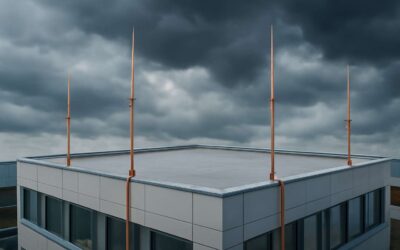
Design, implementation, and maintenance are not afterthoughts; they are stages of a living shield. The framework ensures air termination and bonding decisions align with risk class outcomes, while installation methods meet local field realities. Maintenance then translates into routine inspection, corrosion checks, and meticulous record-keeping—keeping the shield honest over time.
Key actions in this phase include:
- Align air termination, bonding, and down-conductor layouts with the assigned risk class and local site realities.
- Set a formal maintenance cadence with inspections, continuity tests, corrosion checks, and comprehensive documentation.


0 Comments