Comprehensive guide to safeguarding structures with UK lightning protection standards
Overview and scope of UK lightning protection standards
Lightning writes its fierce script across the sky, and yet the frame that steadies a building must endure its notes. A thunderclap can unleash energy equivalent to a small explosive, and the UK’s approach to shielding structures turns that spectacle into safety.
Comprehensive protection rests in a clear scope: it spans planning, design, installation, and ongoing maintenance for homes, factories, and critical facilities, including in South Africa’s varied climates. The lightning protection british standard binds these aims with a practical, risk-based mindset that respects geography, mast configurations, and building geometry.
- Design origins, impedance paths, and bonding philosophy
- Installation integrity and materials resilience
- Inspection cycles and documentation for compliance
Taken together, the standard invites a calm, technical poetry—where science meets safeguarding and every bolt is guided toward safe earth.
Assessment and compliance with British standards
A thunderclap can unleash energy equivalent to a small explosive, and yet the right shield turns that roar into a whisper of safety. The lightning protection british standard frames this discipline as a calm, risk-based art—where planning meets protection in measured steps. For readers in South Africa facing diverse climates, the standard offers a practical compass rather than a rigid rulebook.
Assessment and compliance with British standards are not a one-size-fits-all mandate. They weave together design origins, impedance paths, and bonding philosophy into a coherent framework. The goal is to align geography, mast configurations, and building geometry with sound engineering judgment, delivering resilience without excess.
Behind every approved drawing lies documentation that records testing, approvals, and ongoing checks—an assurance trail that travels from initial design to live operation. In SA and beyond, the creed remains: compliance is stewardship, and that steady paperwork is the quiet backbone of durable, safe structures.
Design principles and system components under UK standards
A storm’s roar can become a measured whisper when the path of energy is planned, not guessed. This comprehensive guide to safeguarding structures with UK standards dives into the design principles and system components that underpin resilient protection.
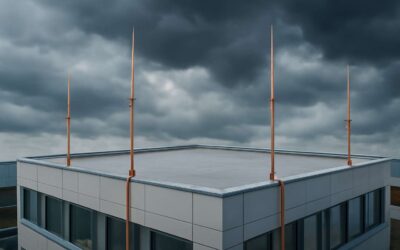
Key tenets stay faithful to geometry, materials, and clear impedance paths. The aim is a harmonised network where air terminations, down conductors, bonding, and surge protection work in concert to channel current away from lives and limbs—without inviting collateral damage.
- Air termination systems
- Down conductors and bonding paths
- Main bonding and equipotential networks
- Surge protective devices and accessible maintenance
In South Africa’s varied climates, the promise of the lightning protection british standard remains a steady compass, guiding engineers toward durable, safe structures that endure every storm.
Installation best practices and site considerations
Storms don’t negotiate; they barter with physics. A single bolt can carry up to a billion joules, enough to light a city block for a moment—so the lightning protection british standard isn’t a luxury, it’s a shield. In South Africa’s thunder-prone climate, that shield remains a steady compass for safe, durable design.
Comprehensive guide to safeguarding structures with UK lightning protection standards installation best practices and site considerations goes beyond gloss and into geometry, materials, and pragmatic siting. It stresses harmony between air terminations, down conductors, bonding, and surge protection, tailored to each site.
- Site exposure and roof geometry alignment with the protection network
- Material compatibility, corrosion resistance, and long-term durability
- Inspection accessibility and maintenance windows that don’t disrupt operations
Across continents, the principle stands: plan with intent, coordinate with electrical systems, and respect weather’s stubborn sense of drama.
Testing, maintenance and lifecycle management
Lightning does not bargain with the day, and our skylines rarely forgive a misstep. A single bolt can release up to a billion joules, yet the true shield lies in testing, maintenance, and lifecycle management—the fabric of the lightning protection british standard that keeps buildings breathing after the storm.
Testing, maintenance, and lifecycle management are not chores but commitments. The standard frames a cadence of inspections, documentation, and evidence of compliance across decades. In South Africa’s climate, this translates into resilient materials and accessible inspection points that endure corrosive rain while harmonizing with the site’s electrical safeguards.
- Independent verification and traceable records
- Assessment of aging, corrosion, and replacement planning
- Lifecycle analytics shaping long-term resilience
In the end, protection becomes a chorus of confidence, almost glamorous in its quiet reliability.



0 Comments