Fundamentals of Lightning Protection Systems
What is a lightning protection system (LPS)?
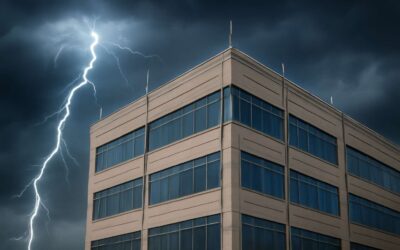
Storms sweep across South Africa’s plains, and the bravest roofs endure because of a hidden guardian—lightning protection kurn r150. In every thunderstorm, risk writes a brief tale on the skyline; this shield turns danger into resilience, guiding electric bolts safely to the earth.
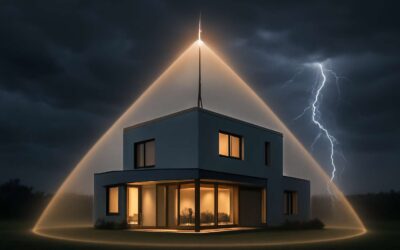
A lightning protection system, or LPS, is a network designed to provide a low-resistance path for lightning to reach the ground, protecting lives, property, and sensitive electrical gear.
Key components work in concert:
- Air terminals that attract bolts
- Down conductors that carry current safely
- Grounding electrodes that dissipate it into the soil
Together, they form a calm spine that meets even the fiercest Cape storms with steadiness.
How an LPS reduces risk to structures and occupants
A single lightning bolt can carry up to a billion volts—enough to vaporize metal and scorch roofs. In South Africa, summer storms are a constant reality, and a disciplined path for that power matters. lightning protection kurn r150 isn’t just hardware; it’s a philosophy: channel the surge away from people and living spaces, then deposit it safely into the earth.
Fundamentals translate into tangible protections: a low-resistance path from strike point to ground. Core elements—air terminals, down conductors, grounding electrodes—work together to spread current, reduce touch and step potentials, and safeguard occupants and vital gear.
Key outcomes include:
- Directing surge energy away from the building envelope
- Reducing hazard to occupants and sensitive gear
- Limiting structural damage during storms
Key components of an LPS (air terminals, conductors, grounding)
Summer storms in South Africa are no mere nuisance; a single bolt can carry up to a billion volts—enough to vaporize metal and scorch roofs. LPS fundamentals centre on a low-resistance path from point of strike to ground, channeling the surge away from people and living spaces, then depositing it safely into the earth.
Core components of an LPS work like a discreet, efficient ensemble.
- Air terminals
- Down conductors
- Grounding electrodes
Down conductors carry the current downward, and grounding electrodes lock the system to earth, completing the path with quiet authority.
Together, they spread current, reduce touch and step potentials, and safeguard occupants and vital gear. lightning protection kurn r150 anchors this concept as more than hardware—it’s a philosophy of safety in every South African storm.
Standards and codes governing LPS design (NFPA 780, IEC 62305)
Storms in South Africa march with a symphony of light. Standards anchor that music, turning wild volts into trusted protection. NFPA 780 and IEC 62305 chart the arc—from risk assessment to practical design—spelling out clearances, bonding, and testing cadence. For lightning protection kurn r150, these codes remind us that safety is a discipline, not a gadget.
- NFPA 780 — Standard for the Installation of Lightning Conductor Systems
- IEC 62305 — Protection Against Lightning
They demand documentation of every choice, from material quality to installation tolerances, guaranteeing a low-resistance path to earth and predictable performance when the skies roil. In zones battered by thunder, such rigor earns quiet confidence among occupants and essential equipment alike.
Design and Planning for Buildings and Facilities
Risk assessment and determining LPS requirements
Storm seasons in South Africa redraw a building’s risk map in a flash. A well-planned LPS is more than metal; it’s a calm line of defense against active skies.
Design and planning begin with a concise risk assessment of the structure, its use, and the landscape. Identify where protection matters most and how the system will sit alongside power and data networks without friction.
To translate risk into a practical scheme, consider a compact framework:
- Strike-path modeling from geometry and materials
- Exposure assessment from site surroundings
- Protection zones and maintenance access planning
In South Africa, the lightning protection kurn r150 becomes a living plan that respects climate, budget, and safety, shaping resilient buildings and confident occupants.
Siting and routing of conductors for optimal protection
South Africa’s skies crackle with sudden drama—one bolt can rewrite a building’s fate in an instant. Designing lightning protection kurn r150 turns the climate into a calm, reliable network that respects budget and safety. The aim is a plan that sits gracefully with power and data networks, guiding conductors along direct routes.
For siting and routing, we think architecture first: we place air terminals at high points, then run conductors along robust framing with minimal bends. We ensure paths are accessible for inspection, and separate routes from sensitive equipment to minimize interference. The route should blend with the building’s silhouette yet stay legible for maintenance crews, so every node reads as deliberate, not incidental.
- Keep conductor runs as straight as possible with few bends.
- Route away from power and data networks to avoid interference.
Grounding design and bonding strategies
Storms in South Africa shape more than weather; they shape resilience. Grounding design is the quiet oath a building makes to endure. In planning for facilities, bonding strategies knit metalwork, service entrants, and structural steel into one listening path to earth. The aim is a low-impedance, clean route that keeps data lines calm and power lines honest, and it sits beside innovations like lightning protection kurn r150 as a trusted reference.
Key moves include forming a unified bonding network, shielding conductors from corrosion, and providing accessible inspection points along the earth electrode field. Consider this trio!
- Bonding all metallic services to a single potential
- Guarantee a direct, low-resistance path to earth
- Keep routes readable and accessible for maintenance
These design choices blend elegance with safety, turning the weather’s fury into predictable, contained energy.
Coordination with building electrical systems and surge protection
Across South Africa, storms crackle with a fierce cadence, delivering flashes that test every rooftop’s resolve. Design and planning for buildings must harmonize with electrical systems and surge protection to turn volatile energy into predictable performance. The concept of lightning protection kurn r150 sits as a trusted reference in this choreography, guiding how metal, conduits, and service entries speak with earth.
Coordination focuses on keeping data lines calm and power systems honest.
- Integrate with electrical service entrants and protection devices
- Position surge protection near critical loads
- Provide accessible inspection points along the earth electrode field
This approach makes a building a listening instrument, turning wind and lightning into a single, coherent current. When paired with a robust protection strategy, the design reads clearly to maintenance crews and clients alike, even amid thunder.
Materials, Components, and Technologies
Air terminals and strike termination devices
Storm season in South Africa tests every roof, every gutter, every protection plan. Global data show lightning inflicts billions in damage each year, often because strikes hit where defenses falter. The lightning protection kurn r150 is engineered to guide a bolt along a defined path to earth, reducing risk to people and property in our local environments.
- Copper air terminals with corrosion-resistant finishes
- Aluminium conductors and masts for light, durable routing
- Stainless steel fasteners and grounding components
Materials that endure SA’s climate form the backbone of air terminals and strike termination devices.
Technologies powering the system blend time-tested terminal geometry with modern bonding and ESE signaling; the goal is fast, predictable strike capture and clean return paths to earth, compatible with existing surge protection. In practice, the lightning protection kurn r150 embodies these technologies in a compact, field-ready form.
Conductor materials, sizing, and corrosion protection
South Africa endures storm seasons that turn roofs into dynamic targets; robust materials make the difference between a flash and a fortress. The lightning protection kurn r150 leans on copper air terminals with corrosion-resistant finishes, aluminium conductors and masts for light, durable routing, and stainless steel fasteners and grounding components that shrug off SA’s climate.
Conductor materials climb the ladder of longevity and performance. Copper delivers superb conductivity and corrosion resistance, while aluminium keeps weight in check on larger installations. Sizing follows impedance principles, ensuring fast strike capture and clean return paths to earth—seamlessly integrating with existing surge protection. The lightning protection kurn r150 embodies this balanced approach.
Key material components include:
- Copper air terminals with corrosion-resistant finishes
- Aluminium conductors and masts for light, durable routing
- Stainless steel fasteners and grounding components
Grounding electrodes, rods, and potential equalization
Grounding electrodes form the quiet backbone of effective protection, guiding surge currents into the earth with calm certainty. For the lightning protection kurn r150, we specify electrode materials that withstand SA soils and damp seasons: copper-bonded steel rods, galvanized steel for durability, and copper grounding rings that maintain low impedance paths year after year.
Key components for grounding include:
- Ground rods and copper-bonded rods
- Bonding straps—copper or stainless steel
- Potential equalization conductors that unite all metallic paths
When electrodes, bonds, and equalization work in concert, the system breathes with the earth, offering a steady conduit for surge energy and a quiet confidence for the structure it protects!
Surge protection devices (SPDs) and coordination with LPS
Within the realm of lightning protection kurn r150, materials chosen for surge devices must endure South Africa’s capricious climate—coastal humidity, dust, and salt spray. Tough enclosures and corrosion-resistant innards shelter SPDs, while modern modules—MOV-based, GDT-based, and hybrids—offer rapid clamping and low let-through. The effect is a calm conduit for surge energy that respects the structure and its people!
Technologies and coordination with the LPS shape where SPDs live and how they talk to the rest of the system. Strategic siting at the service entry and key feeders aligns with grounding plans and power equipment, ensuring lightning protection kurn r150 delivers synchronized protection without surprises. A smart mix of SPD types handles diverse lightning profiles in SA conditions.
- MOV-based surge protection devices
- Gas discharge tube (GDT) based SPDs
- Hybrid SPDs combining MOV and GDT technology
Maintenance-friendly material selection and lifecycle considerations
In the quiet furnace of SA weather, maintenance-friendly life at lightning protection kurn r150 must endure humidity, salt spray, and dust. A single thunderclap can unleash millions of joules, and your shell must be strong enough to shrug it off. A sturdy shell and corrosion-resistant innards, with thoughtful finishes, let the system breathe through decades, even as storms rumble unseen. The aim is enduring quiet—enclosures that shrug off salt air and aging seals that hold fast when the night grows stormy.
- Marine-grade aluminum alloys and stainless steel fasteners to resist corrosion
- Modular internals and clearly marked interfaces for easy service
Lifecycle considerations guide the material map: predictable wear, inspection windows, and retrofit pathways that avoid downtime. A disciplined approach favors coatings with known SA performance, gaskets that resist temperature swings, and plastics that withstand salt spray, ensuring the heart of protection stays steady across seasons.
Installation, Verification, and Compliance
Installation best practices and safety considerations
Installation of lightning protection kurn r150 relies on planning, safe access, and snug integration with the building fabric. Secure mounting, proper sealants, and correct attachment to structural elements are not cosmetic choices—they protect spans, reputations, and lives. Work at height demands fall-protection, clear communication, and co-ordination with the electrical team to avoid parallel live work. A thoughtful installation reduces downtime and ensures the system behaves predictably during a storm.
Verification confirms the path from air terminals to grounding conducts as designed. Continuity and bonding tests should show low resistance, and corrosion protection must be intact for outdoor runs. Non-destructive checks of connections and insulation help catch issues before a storm arrives.
Compliance means keeping records that satisfy local codes and industry standards, with periodic audits and updates as buildings evolve. Documentation, training, and supplier certifications support long-term reliability, while aligning with South Africa’s legislative context and international guidance for LPS.
Testing, inspection, and commissioning protocols
Storm season in South Africa is no joke. Proper installation, verification, and commissioning of lightning protection kurn r150 turn risk into resilience. A precise sequence—planning, safe access, and snug integration with the building—ensures the system behaves predictably when it matters most.
Verification confirms the path from air terminals to grounding conducts as designed. Non-destructive checks of connections and insulation catch issues before the first storm.
- Continuity and bonding tests show low resistance
- Corrosion protection on outdoor runs remains intact
- Documentation and witness testing align with SA codes
Compliance testing, inspection, and commissioning protocols hinge on records, audits, and ongoing training to suit South Africa’s legislative context and international guidance for LPS.
Documentation, permits, and warranty considerations
A single bolt can carry up to one billion volts, and SA storms arrive with brutal speed. The lightning protection kurn r150 is the right choice for durability and resilience, turning risk into predictable protection when it matters most.
Installation of the lightning protection kurn r150 should follow manufacturer guidance and SA codes to ensure safe, clean integration with the building. Verification after installation confirms the pathway from air terminals to grounding conducts as designed, with non-destructive checks catching issues before activation.
Compliance documentation, permits, and warranty considerations form the backbone of ongoing protection.
- Site and permit approvals
- System drawings, component specifics, and installation records
- Warranty terms and registration details
- Witness and test reports confirming SA standards compliance
Keep these records up to date; they reduce risk and simplify inspections during storm season.

0 Comments