Understanding Lightning Protection in New Zealand
Overview of Lightning Risks in NZ – Exploring New Zealand’s climate and the frequency of lightning strikes
New Zealand’s tempestuous climate is a testament to nature’s unpredictable artistry. The archipelago, with its rugged landscapes and dynamic weather systems, experiences a significant number of lightning strikes each year. In fact, some regions see lightning activity nearly twice as often as others, emphasizing the importance of robust lightning protection nz. This natural phenomenon, while awe-inspiring, poses real risks to both urban infrastructure and rural communities.
Understanding the risks associated with lightning in NZ is crucial for safeguarding assets and lives. Lightning strikes can cause devastating electrical surges, fires, and even structural damage if proper lightning protection is not in place. The varying frequency of lightning across different areas underscores the need for tailored solutions. For instance, coastal regions often face heightened exposure due to their unique weather patterns, making lightning protection nz an essential consideration for property owners and businesses alike.
Importance of Lightning Protection – Why effective lightning protection is essential for property safety and insurance
Lightning is a formidable force, capable of striking with little warning and leaving devastation in its wake. In New Zealand, the unpredictable nature of our climate makes lightning protection nz not just a precaution but a necessity. Without robust systems in place, properties are vulnerable to electrical surges, fires, and structural damage that can turn lives upside down in an instant.
Effective lightning protection isn’t merely about installing a few rods on the roof. It requires a comprehensive approach that considers the specific risks of your area. For instance, coastal regions with their unique weather patterns demand tailored solutions to ensure maximum safety. Protecting your assets with lightning protection nz safeguards not only property but also the well-being of everyone inside.
Investing in reliable lightning protection nz provides peace of mind and can even influence insurance premiums. Insurers recognize the value of preventative measures, making this an essential step for property owners across New Zealand. After all, when nature’s fury strikes, preparedness can be the difference between catastrophe and resilience.
Types of Lightning Protection Systems Available in NZ
Surge Protection Devices – Protecting electrical systems from power surges caused by lightning
When it comes to lightning protection nz, options are diverse and tailored to meet specific needs. The most common system is the lightning rod, which provides a direct path for strikes to safely reach the ground. This traditional approach is often complemented by modern surge protection devices that safeguard electrical systems from power surges caused by lightning. These devices act as a vital barrier, preventing costly damage to sensitive equipment.
For comprehensive coverage, many property owners opt for combined systems that integrate lightning rods with surge protection devices. This layered approach enhances safety and reduces the risk of electrical fires or equipment failure. Here’s a quick overview of the available types:
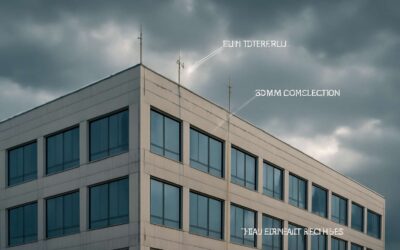
- Air Termination Systems: Installed on rooftops to intercept lightning strikes.
- Down Conductors: Connect the lightning rod to grounding systems, channeling the energy safely into the earth.
- Grounding Systems: Designed to dissipate the electrical energy into the ground with minimal resistance.
Choosing the right lightning protection nz system depends on the structure’s size, location, and electrical complexity. Proper installation by qualified professionals ensures maximum safety and compliance with standards. Lightning protection isn’t just a precaution—it’s a critical investment in safeguarding your property against unpredictable nature’s fury.
Lightning Rods and Air Terminals – Using conductive rods to direct lightning strikes safely to the ground
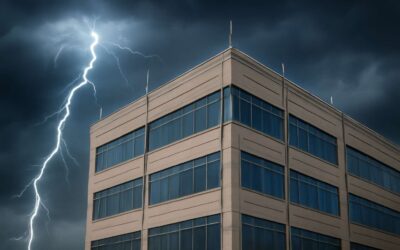
In the shadowed realm of lightning protection nz, the choice of system can feel like forging a weapon against the tempest’s fury. Lightning rods and air terminals stand as silent sentinels—conductive rods that serve as the first line of defense, guiding the deadly flash safely into the earth’s embrace. These are more than mere metal; they are the guardians of your sanctuary, intercepting the jagged wrath of storms before chaos can seep within.
Modern solutions often incorporate layered systems—melding the ancient elegance of lightning rods with sophisticated surge protection devices. This union creates a formidable barrier, shielding electrical systems and property alike. For those seeking comprehensive defense, a combination of air termination systems, down conductors, and grounding systems forms a cohesive shield against nature’s unpredictable tempests.
- Air termination systems
- Down conductors
- Grounding systems
Choosing the ideal lightning protection nz system hinges on the structure’s size, location, and the spectral intensity of local storms. When installed by seasoned professionals, these systems do more than protect—they become a testament to resilience amidst the dark, stormy skies. In this dance with chaos, it’s the silent, unseen network of lightning protection that keeps the shadows at bay, ensuring your fortress remains unscathed when lightning’s fury strikes.
Grounding and Earthing Systems – Proper grounding techniques to minimize strike damage
In the realm of lightning protection nz, grounding and earthing systems are often the unsung heroes—silent yet essential components that prevent catastrophic damage. Proper grounding techniques create a low-resistance path for electrical charges, channeling lightning strikes safely into the earth. This process minimizes the risk of fire, electrical surges, and structural damage, offering a layered defense against the unpredictable fury of storms.
There are various types of grounding systems available in NZ, each tailored to meet specific property needs. These include ground rods, ground plates, and chemical grounding systems. Selecting the right system depends on factors such as soil composition, structure size, and local storm activity. For instance, grounding rods are simple yet effective, often driven deep into the earth to ensure stability and conductivity.
- Ensures a reliable pathway for lightning currents
- Reduces the potential for electrical fires
- Enhances overall safety of electrical installations
In the ongoing dance with nature’s tempest, a robust grounding and earthing system is the cornerstone of comprehensive lightning protection nz. When expertly installed, these systems transform a chaotic threat into a manageable and controlled event—protecting both life and property with silent precision.
Whole-Structure Lightning Protection – Complete solutions for residential, commercial, and industrial buildings
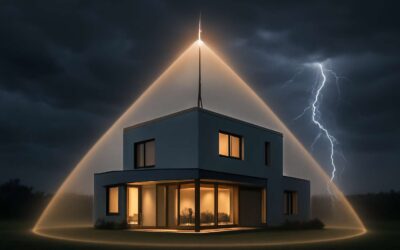
In the intricate web of lightning protection NZ, whole-structure lightning protection systems stand as the ultimate safeguard—an unyielding shield enveloping residential, commercial, and industrial edifices alike. These comprehensive solutions are meticulously designed to intercept and neutralize the destructive force of a lightning strike before it can inflict irreparable harm. Unlike isolated measures, whole-structure systems integrate multiple components—lightning rods, conductors, grounding setups—creating a seamless network that channels the electrical fury directly into the earth.
- Lightning rods strategically placed on rooftops or critical points
- Conductive pathways ensuring swift, low-resistance transfer of energy
- Integrated grounding systems to dissipate the strike safely
The beauty of these systems lies in their layered approach, offering an almost poetic balance between technological precision and natural defense. In NZ’s climate, where storms can be sudden and relentless, investing in such all-encompassing lightning protection NZ is not just prudent—it’s essential. When expertly installed, whole-structure lightning protection transforms chaos into control, safeguarding lives and assets with unwavering reliability.
Regulations and Standards for Lightning Protection in NZ
NZ Building Code Requirements – Legal standards and compliance measures for lightning protection systems
In New Zealand, where lightning strikes are more than just a fleeting threat, compliance with the NZ Building Code is not merely a suggestion—it’s a legal imperative. The legislation mandates that all lightning protection nz systems adhere to strict standards to ensure safety and durability. This regulatory framework is designed to prevent catastrophic failures and safeguard both property and lives.
Under these standards, every lightning protection nz installation must meet specific requirements for materials, grounding, and system design. The goal is to create a comprehensive shield that integrates seamlessly into the building’s architecture while providing maximum safety. Failure to comply can result in hefty penalties and increased vulnerability during thunderstorms.
For those involved in designing or installing lightning protection nz systems, understanding these standards is crucial. The NZ Building Code provides detailed directives, often referencing international standards such as AS/NZS 1768, which govern the proper installation of lightning protection systems. Regular inspections and maintenance are also mandated to ensure ongoing compliance, emphasizing that lightning protection nz is not a one-time investment but a long-term commitment to safety.
Australian & NZ Standards (AS/NZS) – Overview of relevant standards such as AS/NZS 1768
Regulations and standards form the backbone of effective lightning protection NZ. They ensure systems are not only reliable but also compliant with strict safety protocols. The cornerstone standard is AS/NZS 1768, which provides detailed guidelines for designing, installing, and maintaining lightning protection NZ systems. This standard aligns with international best practices, offering a robust framework for safeguarding properties against lightning strikes.
Adherence to AS/NZS 1768 covers every aspect—from the materials used in lightning protection NZ to grounding techniques that disperse electrical energy safely. The standards specify precise requirements, including:
- Conductive materials and their corrosion resistance
- Proper placement of air terminals and down conductors
- Effective grounding and earthing practices
Compliance with these standards is mandatory under the NZ Building Code. Regular inspections ensure ongoing safety and system integrity, making lightning protection NZ a continuous commitment rather than a one-time fix. Protecting your property begins with understanding and applying these rigorous standards confidently.
Certification & Inspections – Ensuring professional installation and ongoing system maintenance
In the realm of lightning protection NZ, certification and inspections serve as the arcane seals safeguarding your property against nature’s fierce displays. Every system must be installed by professionals who possess not only technical mastery but also an intimate understanding of NZ standards. These experts ensure that each component—from air terminals to grounding rods—meets rigorous specifications, creating a fortress of safety rooted in compliance.
Ongoing system maintenance is equally vital. Regular inspections verify the integrity of lightning protection NZ systems, ensuring that corrosion-resistant materials remain steadfast and grounding connections are flawless. This vigilance transforms a mere installation into a resilient, enduring shield. Some practitioners utilize
- comprehensive checklists
- advanced diagnostic tools
to confirm that every element functions harmoniously, aligning with the strict mandates of the NZ Building Code. In the world of lightning protection NZ, certification is not just a formality—it is the promise of unwavering safety, reinforced through meticulous inspections and unwavering dedication to standards.
Choosing the Right Lightning Protection Service Providers in NZ
Factors to Consider – Experience, certifications, customer reviews, and warranty
When it comes to safeguarding your property against nature’s fiercest display—lightning strikes—selecting the right lightning protection NZ service provider is paramount. With the unpredictable and often dramatic New Zealand climate, expertise and reliability become your best allies. A seasoned provider’s experience translates into a nuanced understanding of local weather patterns and the unique demands they impose on lightning protection systems.
Certifications are more than just a badge of honor—they are a testament to a provider’s adherence to rigorous standards like AS/NZS 1768. Customer reviews can reveal a provider’s track record of excellence and responsiveness, offering a window into their reputation and quality of service. Furthermore, a comprehensive warranty provides peace of mind, reflecting confidence in the durability and effectiveness of their lightning protection NZ solutions. Remember, the right partner doesn’t just install a system—they craft a resilient shield tailored to your specific needs, ensuring safety amidst the tempest’s roar.
Questions to Ask Potential Providers – Key inquiries before hiring a lightning protection specialist
Choosing the right lightning protection NZ service provider is a decision shrouded in shadows and necessity. When the skies darken and the thunder roars, your property’s safety hinges on the expertise of those who understand the ominous dance of lightning. Questions must be asked, and inquiries made—trust is not given lightly in this realm.
Begin by probing their experience—how many storms have they tamed, and what tales do their past projects tell? Certifications, especially adherence to standards like AS/NZS 1768, are the seals of their mastery. Do they conduct thorough inspections and follow rigorous safety protocols?
A reputable provider will welcome your questions, and you should be ready with some key ones:
- Are your lightning protection NZ systems compliant with local standards and building codes?
- What warranty do you offer, and what does it cover?
- Can you provide references or customer testimonials that speak to your reliability?
In this dark theatre of nature’s fury, only a provider with proven credentials, unwavering professionalism, and a solid warranty can craft a resilient shield—an armor against the tempest’s relentless wrath.
Benefits of Local Expertise – Understanding local weather patterns and building regulations
In a land where thunderstorms can erupt with little warning, the importance of choosing a lightning protection NZ provider cannot be overstated. The unique tapestry of New Zealand’s climate, marked by its unpredictable weather patterns and frequent lightning strikes, demands expertise rooted in local knowledge. A provider familiar with NZ’s specific weather conditions understands how to tailor lightning protection systems that withstand the tempest’s relentless fury, ensuring your property remains shielded when it matters most.
Local expertise in lightning protection NZ means more than just familiarity with weather patterns; it encompasses an in-depth understanding of regional building regulations and standards. This ensures that every lightning protection system not only complies with NZ’s strict legal framework but also integrates seamlessly with existing structures. Choosing a provider with a profound grasp of these nuances guarantees a resilient, compliant shield designed specifically for the unpredictable NZ climate.
Additionally, a provider well-versed in local conditions can offer insights into the most effective lightning rod placements and grounding techniques, tailored explicitly for NZ’s terrain. This nuanced approach enhances the system’s efficacy, delivering peace of mind amid the roar of thunder. Trusting a local specialist means partnering with someone who truly comprehends the delicate dance between nature’s fury and the safety of your property.
Cost Factors and Budgeting for Lightning Protection in NZ
Pricing Overview – Typical costs for different types of systems
In the realm of lightning protection nz, understanding the cost factors is essential for creating a robust safety plan that doesn’t break the bank. The expense of installing lightning protection systems varies widely, influenced by the size and complexity of the property, the type of system chosen, and the specific building requirements. Typically, a basic lightning rod system for a residential home can start around a few thousand dollars, while more comprehensive solutions for commercial or industrial structures may escalate into tens of thousands.
To demystify the budget, it’s helpful to consider the different types of lightning protection nz systems available:
- Single-point lightning rods for small homes
- Air terminal systems for larger residential or small commercial properties
- Whole-structure lightning protection systems for industrial facilities
Each option presents a different investment level, but the true value lies in safeguarding assets and ensuring safety. When budgeting, remember that the initial costs are complemented by ongoing maintenance, inspections, and certifications—elements vital to maintaining system integrity and compliance with NZ standards. Strategic planning and a clear understanding of these cost factors will help you craft a resilient shield against nature’s fiercest storms, making lightning protection nz a wise and worthwhile pursuit!
Factors Influencing Costs – Size of property, complexity of installation, and system type
In the realm of lightning protection nz, understanding the intricacies of cost factors is paramount for crafting a resilient shield against nature’s fury. The expense of installing a lightning protection system is not merely a matter of price tags, but a reflection of the unique demands each property presents. From sprawling industrial complexes to cozy residential abodes, the size and complexity of the installation play a pivotal role in shaping the final investment.
For smaller homes, a single-point lightning rod system may suffice, often starting at a modest few thousand dollars. Yet, as the property grows larger or more intricate, the system requirements become more demanding. Larger residential or commercial structures might necessitate air terminal systems or even comprehensive, whole-structure lightning protection nz solutions. These advanced systems involve meticulous planning and substantial materials, driving costs into the tens of thousands.
Factors influencing costs include:
- Size of the property
- Type of lightning protection nz system selected
- Complexity of the installation process
- Building height and architectural features
Each element interlocks in a delicate dance, impacting the overall budget. While initial expenses are significant, they are dwarfed by the long-term benefits—safeguarding assets, reducing insurance premiums, and ensuring peace of mind. When planning your lightning protection nz system, it’s essential to consider these variables, allowing for a budget that balances safety with financial prudence.
Value of Investment – Long-term savings and insurance discounts
Investing in lightning protection nz is more than a mere expense; it’s a testament to safeguarding your sanctuary against the unpredictable fury of storms. When budgeting for such resilience, the true value lies in the long-term savings it offers—reduced insurance premiums and the priceless peace of mind that comes with knowing your assets are shielded from nature’s whims.
The initial cost may seem formidable, yet it’s a small price to pay for comprehensive security. The size and complexity of your property significantly influence the investment—larger or architecturally intricate buildings demand more elaborate systems. Prioritizing the right system type, whether a simple lightning rod or a whole-structure solution, ensures optimal protection without overspending.
To better understand the financial landscape, consider this simple outline:
- Assess property size and design intricacies
- Select a system aligned with your budget and safety needs
- Factor in installation complexity and building height
Remember, many insurance providers in NZ recognize the value of professional lightning protection nz systems, often offering discounts that can offset initial expenses. When viewed as a long-term investment, the benefits of a well-crafted lightning protection system become undeniably clear—your property’s safety, your peace of mind, and your finances safeguarded in the face of tempestuous skies.
Maintenance and Inspection of Lightning Protection Systems
Regular Inspection Schedules – How often to check system integrity
In the realm of lightning protection nz, the dance between nature’s fury and human ingenuity demands vigilant oversight. Regular inspection schedules serve as the guardian angels of your lightning protection system, ensuring it remains a steadfast sentinel against nature’s unpredictable wrath. Without consistent checks, even the most meticulously installed systems can falter—corrosion, loose connections, or structural wear threaten their integrity over time.
To maintain optimal protection, a professional assessment should occur at least once a year, with more frequent inspections advised after severe storms or adverse weather conditions. During these inspections, technicians meticulously examine every component—grounding systems, lightning rods, and air terminals—ensuring each element functions harmoniously. Incorporating a systematic approach, such as an
- annual visual inspection
- electrical testing of grounding systems
- checking for corrosion or damage
guarantees comprehensive coverage. This ongoing vigilance safeguards your property, aligning with NZ’s rigorous standards for lightning protection while offering peace of mind against the capricious forces of weather.
Signs of System Damage – Identifying wear, corrosion, or malfunction
Maintaining the integrity of your lightning protection nz system is crucial for ensuring ongoing safety. Over time, signs of system damage can emerge subtly—corrosion on metal components, loose connections, or visible wear on grounding wires. These issues can compromise the entire system’s ability to redirect lightning safely, increasing risk to your property and its occupants. Regular visual inspections are essential to spot these signs early.
Technicians trained in lightning protection nz often look for specific indicators of damage, such as rust on lightning rods or corrosion on grounding systems. Electrical testing can reveal hidden faults that aren’t immediately visible. Recognizing these warning signs promptly can prevent costly repairs and ensure your system continues to meet NZ’s rigorous standards.
In some cases, damage may be less obvious but equally dangerous. For example, a loose connection or a small crack in an air terminal can cause malfunction during a storm. An ordered approach, such as a yearly comprehensive inspection, helps catch these issues before they escalate. Staying vigilant about system health is a vital part of safeguarding your property against the capricious forces of weather in New Zealand.
Professional Maintenance Services – The importance of expert inspection and repairs
When it comes to safeguarding your property from the relentless fury of lightning strikes, professional maintenance of your lightning protection NZ system is non-negotiable. Over time, even the most robust systems can develop hidden faults that threaten safety. Expert inspection ensures that corrosion, loose connections, or wear don’t go unnoticed—issues that could cause catastrophic failure during a storm.
Regular evaluations by qualified technicians help detect subtle signs of deterioration. For instance, corrosion on lightning rods or grounding wires might seem minor but can severely impair the system’s capacity to redirect lightning safely. An ordered approach, such as annual comprehensive inspections, is vital to maintaining compliance with NZ’s stringent standards and avoiding costly repairs.
In addition to visual checks, electrical testing uncovers hidden faults that escape the eye. These tests verify the integrity of grounding systems and ensure all components function harmoniously. By investing in professional maintenance services, property owners can uphold the resilience of their lightning protection NZ system—protecting both assets and lives against the unpredictable wrath of nature.
Benefits of Installing Lightning Protection in NZ
Enhanced Safety – Protecting lives and property from lightning strikes
In a landscape where the fury of nature can erupt unexpectedly, installing lightning protection nz becomes more than a precaution—it transforms into a vital shield against the capriciousness of weather. Lightning strikes, often perceived as mere spectacles in the sky, pose tangible threats to both lives and the sanctuaries we create. The unsettling truth is that a single lightning bolt can unleash thousands of joules of energy, capable of igniting fires, damaging electrical systems, and even causing structural collapse. As such, the benefits of investing in comprehensive lightning protection nz systems extend far beyond mere compliance; they embody a commitment to safeguarding what matters most.
Enhanced safety is the cornerstone of these installations. By effectively channeling lightning strikes through expertly designed systems, property owners drastically reduce the risk of injury or fatality. The installation of lightning rods, grounding systems, and surge protection devices creates a labyrinth of defenses that ensure lightning’s destructive potential is safely dissipated into the earth. This proactive approach not only preserves human life but also minimizes costly property damage, giving peace of mind amid New Zealand’s unpredictable weather patterns. Truly, lightning protection nz is an essential investment—one that transforms vulnerability into resilience and uncertainty into certainty.
Minimized Electrical Damage – Reducing outage risks and repair costs
Imagine a single bolt of lightning unleashing enough energy to power a small town for a day. That raw force, when uncontrolled, can wreak havoc on electrical systems, leading to costly repairs and frustrating outages. Installing lightning protection nz acts as a formidable barrier—channeling that destructive energy safely into the earth and shielding your property from the chaos of nature’s fury.
One of the most compelling benefits of investing in lightning protection nz is the substantial reduction in electrical damage. Lightning strikes can cause power surges that overload appliances, fry sensitive electronics, and even ignite fires. By integrating surge protection devices alongside well-placed lightning rods, property owners can prevent these costly disturbances from disrupting daily life or halting essential operations.
Moreover, a well-designed lightning protection system doesn’t just safeguard possessions—it preserves peace of mind. The labyrinth of grounding and earthing systems acts as a safeguard, dispersing the strike’s energy swiftly and efficiently. This not only minimizes repair costs but also ensures that electrical outages are kept to a minimum, maintaining the continuity of your business or home activities. Truly, lightning protection nz is an investment in resilience, transforming vulnerability into a fortress against the unpredictable skyscape of New Zealand.
Compliance and Peace of Mind – Meeting legal requirements and ensuring safety
In New Zealand, where the skies can unexpectedly unleash their fury, the value of robust lightning protection nz cannot be overstated. The legal landscape mandates adherence to strict standards, ensuring that properties are not only shielded from nature’s caprice but also compliant with national regulations. This compliance isn’t merely bureaucratic; it is a testament to a commitment to safety, safeguarding lives and assets alike.
Implementing effective lightning protection nz offers an intrinsic peace of mind. When lightning strikes, the chaos is often compounded by the aftermath—power surges, electrical fires, and costly repairs. A professionally installed system, designed with meticulous attention to NZ building code requirements and standards such as AS/NZS 1768, acts as a guardian—dispersing destructive energy safely into the earth and preventing catastrophic damage. This investment in resilience ensures that the rhythm of daily life persists undisturbed, even amidst tempestuous weather.
Opting for local expertise in lightning protection nz brings a nuanced understanding of the unique climate and structural considerations across different regions. It’s a choice rooted in knowledge—recognizing how specific weather patterns influence system design and ensuring optimal safety measures. As the saying goes, “Forewarned is forearmed,” and engaging seasoned professionals guarantees your property is fortified against the unpredictable fury of New Zealand’s skies.

0 Comments